
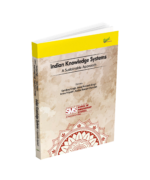
Indian Knowledge Systems: A Sustainable Approach
Original price was: ₹1,855.00.₹1,805.00Current price is: ₹1,805.00.
| Title | Details |
|---|---|
| Book Title | Indian Knowledge Systems: A Sustainable Approach |
| ISBN | 978-93-89947-43-4 |
| Product Form | Paperback / softback |
| Language | English |
| Genre | Indian Knowledge Systems |
| Name of Publishing Agency/Publisher | Excel India Publishers |
| Name of Author/Editor | Editors: Kartikey Singh, Suraj Prakash Singh, Ishan Tripathi, Radha Raman Chandan |
| Publication Date | 31-03-2024 |
Description
Indian Knowledge Systems (IKS) have long been a cornerstone of the intellectual and cultural landscape of India, embodying a rich tapestry of traditions that span across millennia. These systems encompass a wide array of disciplines, including science, medicine, philosophy, art, and spirituality, reflecting a holistic and integrated worldview. This edited volume, “Indian Knowledge Systems: A Sustainable Approach,” aims to explore the dynamic interplay between these ancient traditions and contemporary modernity, highlighting the enduring relevance and adaptability of IKS in addressing the challenges of the present and future.
The relationship between tradition and modernity is often perceived as a dichotomy, with the former seen as static and the latter as dynamic. However, Indian Knowledge Systems challenge this binary by demonstrating how traditional wisdom can evolve and integrate with modern scientific and technological advancements. This volume seeks to illuminate the ways in which IKS continue to influence and enrich modern life, offering sustainable solutions and innovative approaches to contemporary issues.
One of the central themes of this volume is the integration of traditional and modern knowledge in the field of medicine. Ayurveda and Siddha, two of India’s ancient medical systems, emphasize a holistic approach to health and wellness, focusing on the balance between mind, body, and spirit. Papers in this section explore the integration of Ayurvedic and Siddha principles into modern healthcare practices, highlighting research on the efficacy of traditional treatments for chronic diseases and the potential for these systems to complement contemporary medical approaches.
In the realm of architecture and urban planning. Indian Knowledge Systems provide innovative solutions for sustainable living. Traditional building techniques, such as the use of local materials and climate-responsive designs, minimize environmental impact and enhance the resilience of structures. Papers in this section examine historical and contemporary examples of sustainable architecture, highlighting the lessons that can be drawn from these practices.
Philosophy and spirituality form another critical dimension of IKS, providing a moral and ethical framework for human conduct. The profound teachings of texts such as the Vedas, Upanishads, and the Bhagavad Gita continue to offer valuable insights into questions of ethics, purpose, and the nature of existence. Papers in this section explore the relevance of these teachings in addressing contemporary ethical dilemmas and fostering a sense of purpose and fulfillment in modern life.
The arts and humanities are also integral to the study of Indian Knowledge Systems. Traditional Indian art forms, literature, and performing arts reflect the cultural and aesthetic values of Indian society. Contributors examine the evolution of these art forms and their contemporary relevance, highlighting the ways in which they continue to inspire and resonate with audiences today. This section underscores the importance of preserving and promoting India’s rich artistic heritage in an increasingly globalized world.
Education is another area where the integration of tradition and modernity can have a profound impact. Traditional Indian education systems, with their emphasis on holistic development and experiential learning. offer valuable insights for contemporary educational practices. Papers in this section discuss the incorporation of IKS principles into modern curricula and the benefits of fostering a deeper connection between students and their cultural heritage. The interdisciplinary nature of this exploration underscores the potential for a more integrated and holistic approach to education.