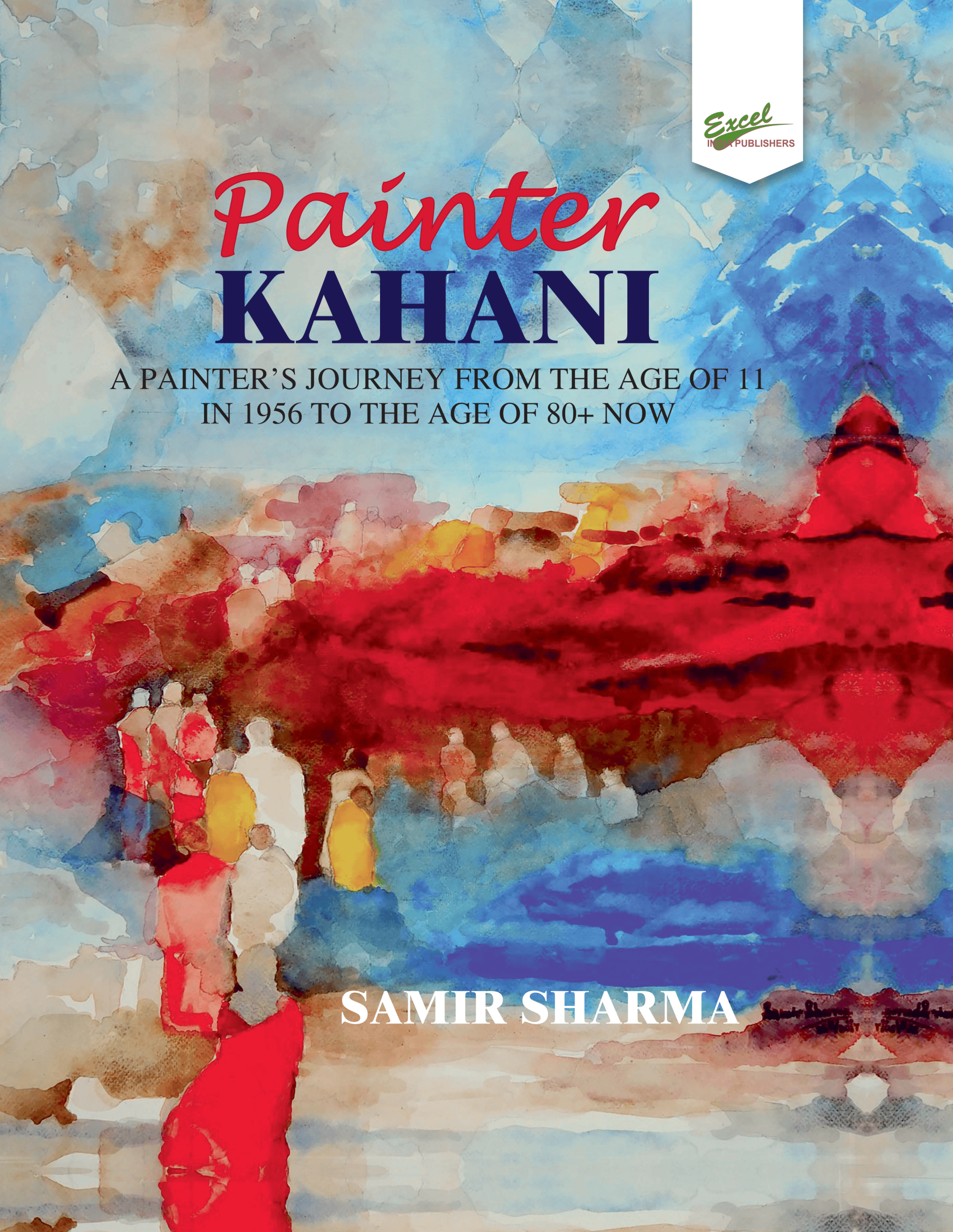
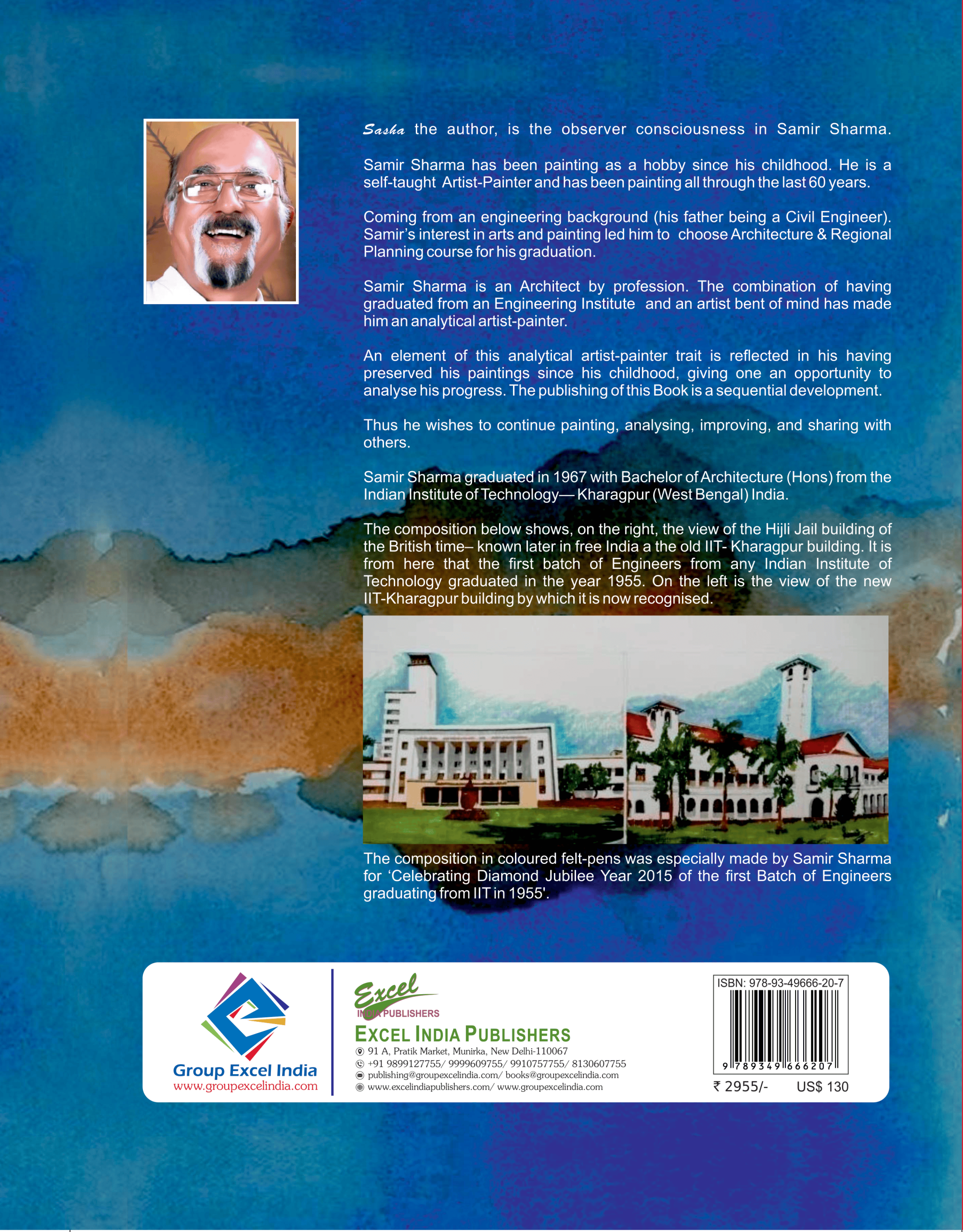
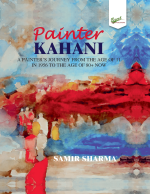
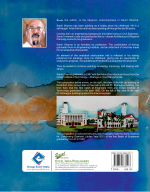
Painter Kahani: A Painter’s Journey from the Age of 11 in 1956 to the Age of 80+ Now is a profound memoir and artistic exploration by author and architect Samir Sharma[cite: 4, 7]. The author describes his inner observer consciousness as “Sasha”[cite: 7]. As a self-taught artist-painter, he has maintained a lifelong passion for art, painting continuously over the last six decades starting from his childhood in 1956[cite: 7].
Coming from an engineering background—his father being a civil engineer—Samir Sharma’s deep interest in the arts led him to pursue Architecture & Regional Planning for his graduation[cite: 7]. He graduated in 1967 with a Bachelor of Architecture (Hons) from the Indian Institute of Technology (IIT), Kharagpur, West Bengal, India[cite: 7]. This unique combination of an engineering education and an artistic mindset fostered a deeply analytical approach to his painting[cite: 7]. A testament to this trait is his careful preservation of paintings dating back to his childhood, allowing him to objectively analyze his progress over time[cite: 7].
The publication of this book represents a natural, sequential milestone in his creative journey[cite: 7]. Through Painter Kahani, the author wishes to share his ongoing process of painting, analyzing, improving, and connecting with others who appreciate the evolution of art[cite: 7].
Notably, the book features special compositions such as a colored felt-pen artwork created by the author to celebrate the Diamond Jubilee Year (2015) of the first batch of engineers who graduated from IIT Kharagpur in 1955[cite: 7]. This piece thoughtfully contrasts the historical British-era Hijli Jail building (the original home of IIT Kharagpur) with the modern campus structures recognized today[cite: 7].