
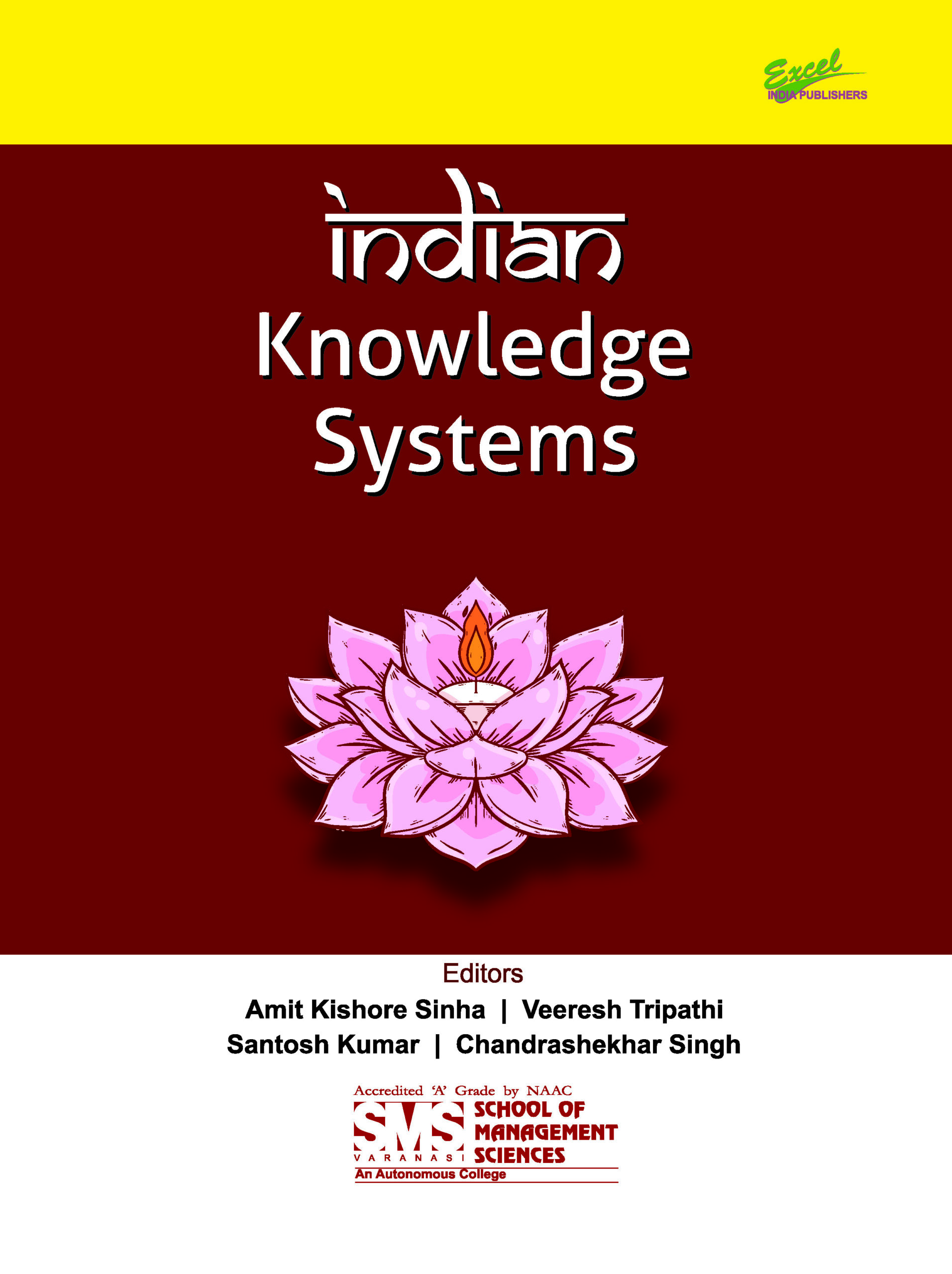
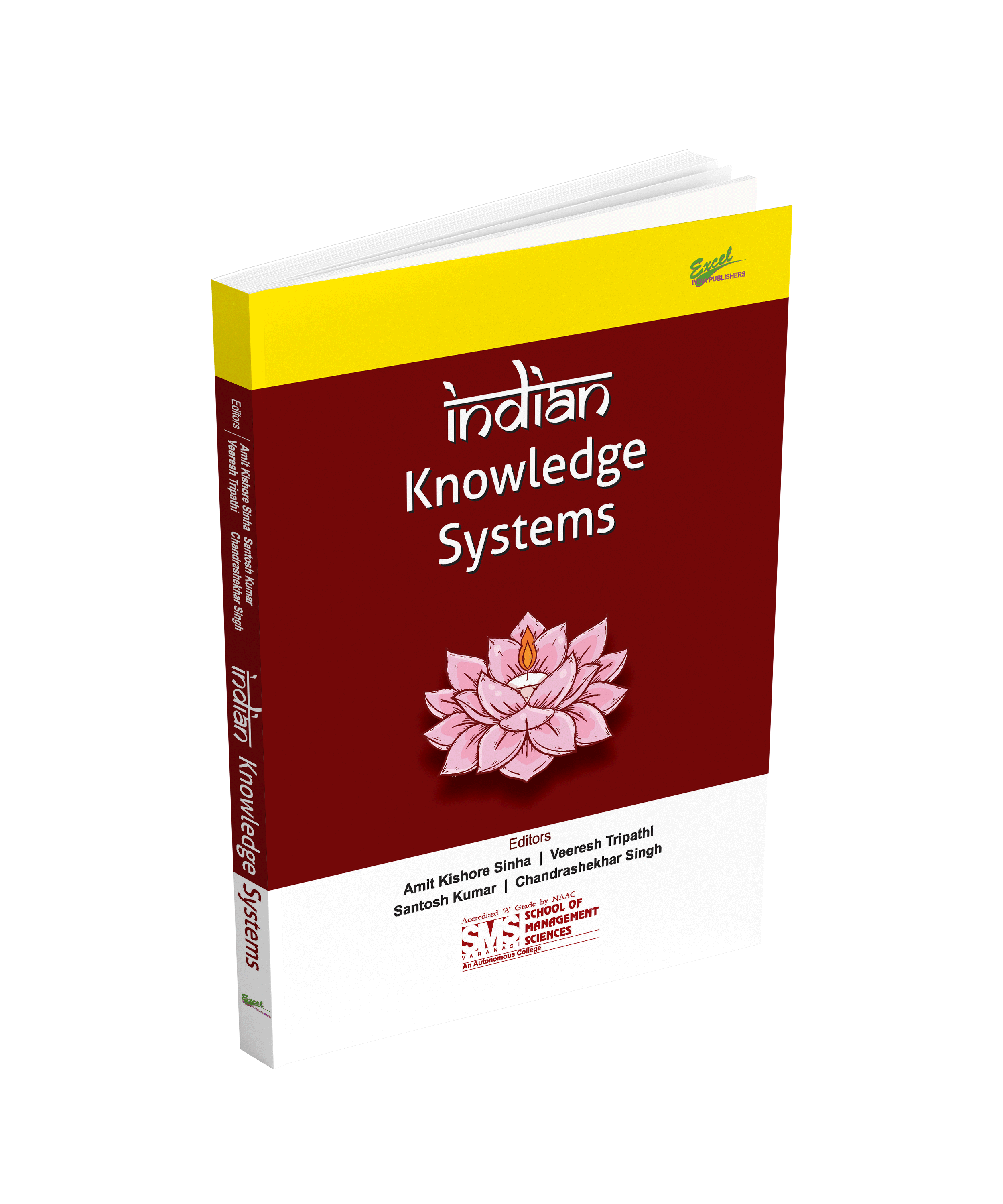
Indian Knowledge Systems
Original price was: ₹1,855.00.₹1,805.00Current price is: ₹1,805.00.
| Title | Details |
|---|---|
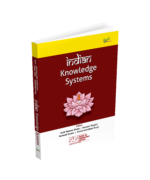
| Book Title | Indian Knowledge Systems |
| ISBN | 978-93-89947-49-6 |
| Product Form | Paperback / softback |
| Language | English |
| Genre | Indian Knowledge Systems |
| Name of Publishing Agency/Publisher | Excel India Publishers |
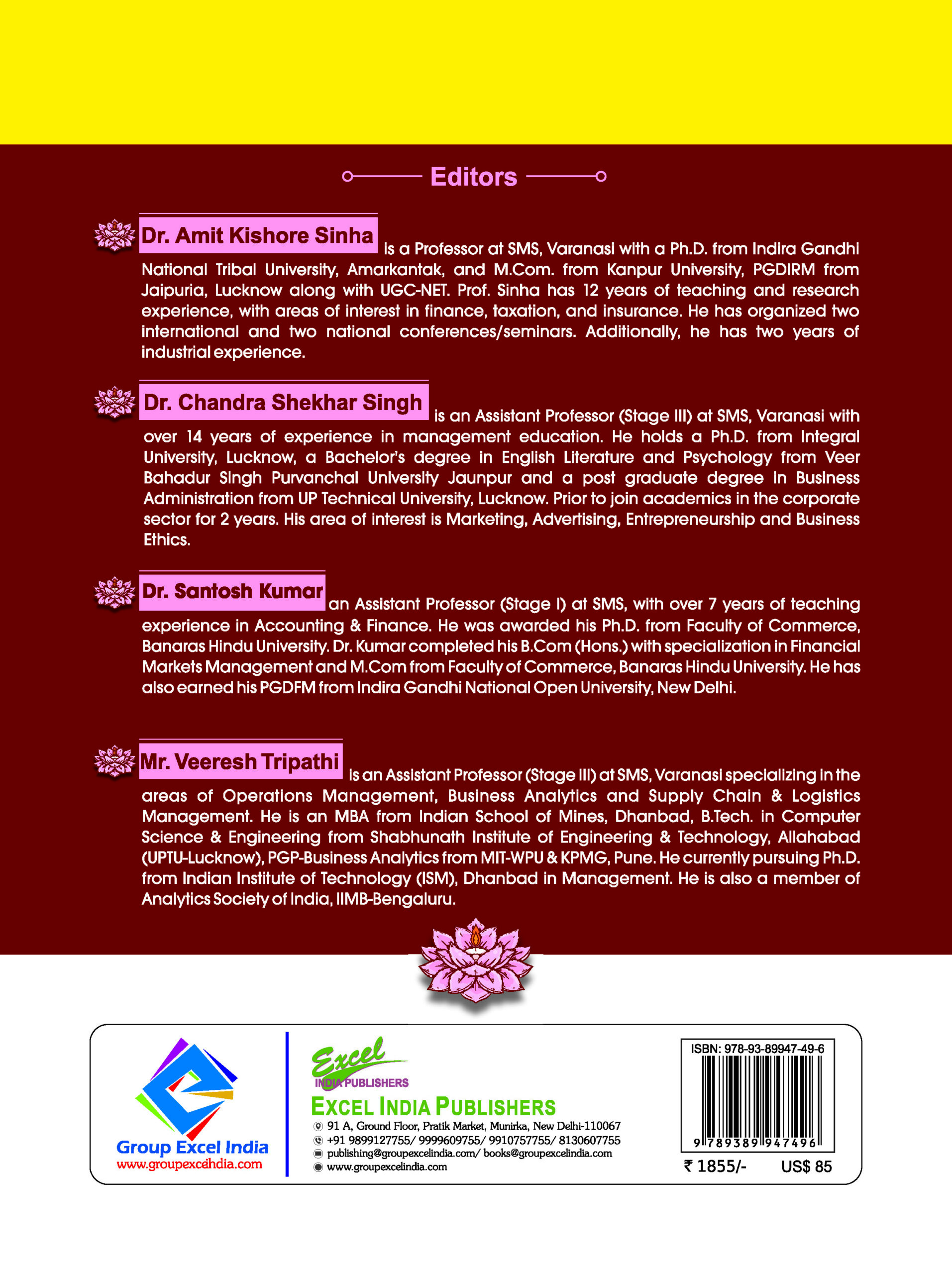
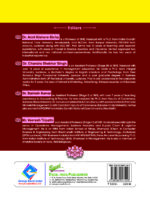
| Name of Author/Editor | Editors: Amit Kishore Sinha, Veeresh Tripathi, Santosh Kumar, Chandrashekhar Singh |
| Publication Date | 31-03-2024 |
Description
The rich and diverse landscape of Indian Knowledge Systems (IKS) has long been a source of fascination and inspiration for scholars and practitioners alike. Encompassing a wide array of disciplines, from science and medicine to philosophy and the arts, IKS represents a vast reservoir of wisdom accumulated over millennia. This edited volume, “Indian Knowledge Systems: Interdisciplinary Perspectives,” aims to explore the multifaceted nature of IKS and its relevance across various domains of contemporary inquiry.
The interdisciplinary approach of this book is driven by the understanding that the complexities of IKS cannot be fully appreciated through a single lens. By bringing together scholars from diverse fields, we aim to offer a holistic view of these knowledge systems and highlight their interconnectedness. This volume seeks to bridge the gaps between traditional and modern knowledge, fostering a deeper appreciation of the contributions of IKS to global intellectual and cultural heritage.
One of the key areas explored in this volume is the intersection of IKS with modern science and technology. Contributors discuss how these traditional insights can inform and enrich modern scientific research and technological innovation.
The book also delves into the rich tradition of Indian medicine, particularly Ayurveda and Siddha. These systems of medicine, which emphasize holistic well-being and natural remedies, offer valuable perspectives on health and healing. Papers in this section explore the integration of Ayurvedic principles into modern healthcare practices and present research on the efficacy of traditional treatments. The interdisciplinary nature of this exploration highlights the potential for a more holistic approach to health and wellness.
Philosophy and spirituality form another crucial dimension of Indian Knowledge Systems. The profound philosophical teachings of texts such as the Vedas, Upanishads, and the Bhagavad Gita have shaped not only Indian thought but also global philosophical discourse. Papers in this section explore the relevance of these teachings in addressing contemporary ethical and existential questions. The discussions underscore the enduring significance of concepts like Dharma (righteous duty) and Moksha (liberation) in guiding human conduct and fostering a sense of purpose and fulfillment.
Education is another critical area where IKS can make a significant impact. Traditional Indian education systems, with their emphasis on holistic development and experiential learning, offer valuable insights for contemporary educational practices. Papers in this section discuss the incorporation of IKS principles into modern curricula and the benefits of fostering a deeper connection between students and their cultural heritage. The interdisciplinary nature of this exploration underscores the potential for a more integrated and holistic approach to education.
The book also addresses the challenges and opportunities in preserving and revitalizing Indian Knowledge Systems. Contributors examine the impact of globalization, modernization, and cultural assimilation on traditional practices and propose strategies for safeguarding this invaluable heritage. The discussions highlight the need for collaborative efforts between scholars, practitioners, policymakers, and communities to ensure the continued relevance and vitality of IKS.
In conclusion, “Indian Knowledge Systems” aims to provide a comprehensive and nuanced understanding of IKS and their contemporary relevance. By exploring the intersections between traditional and modern