
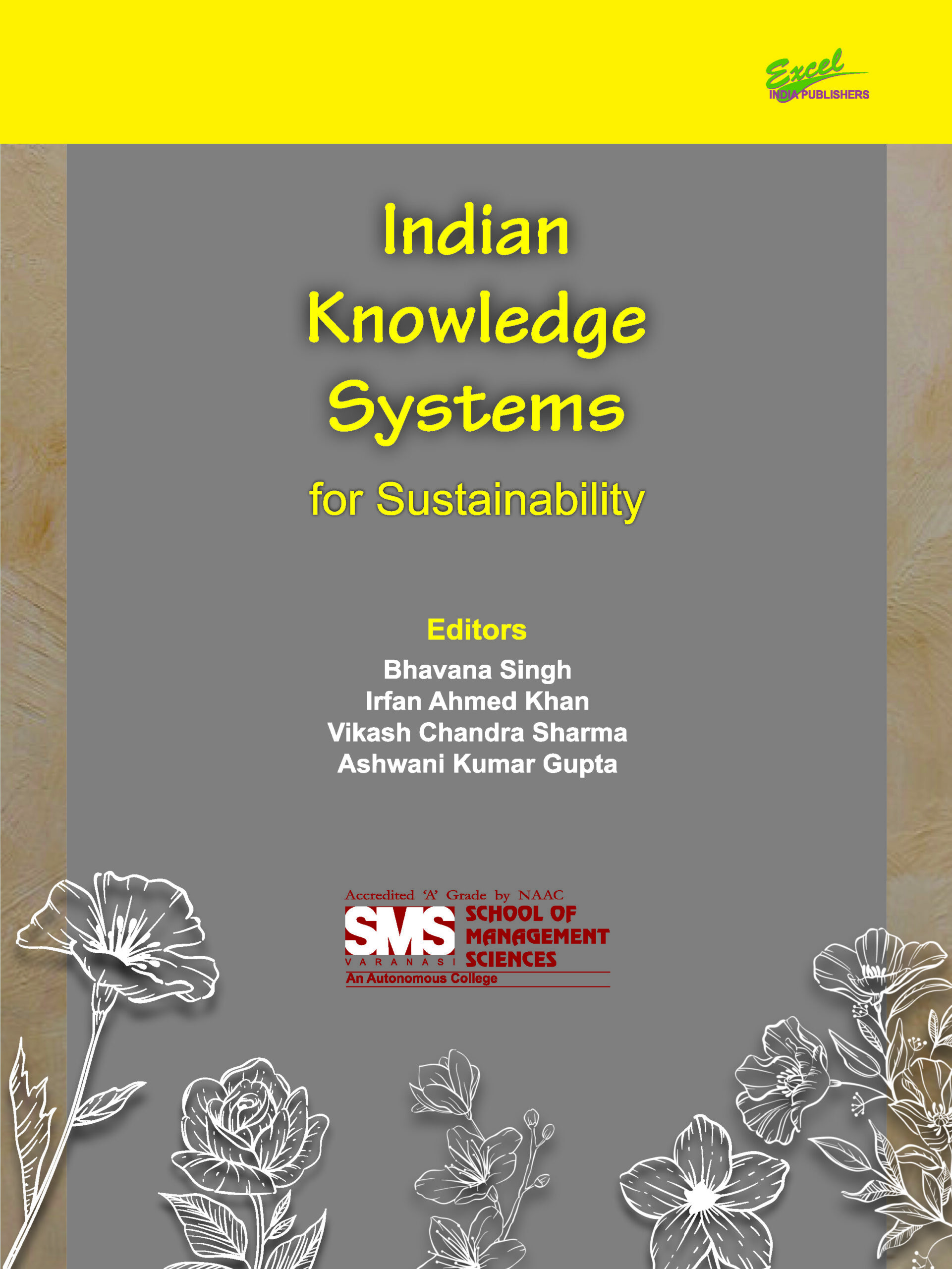
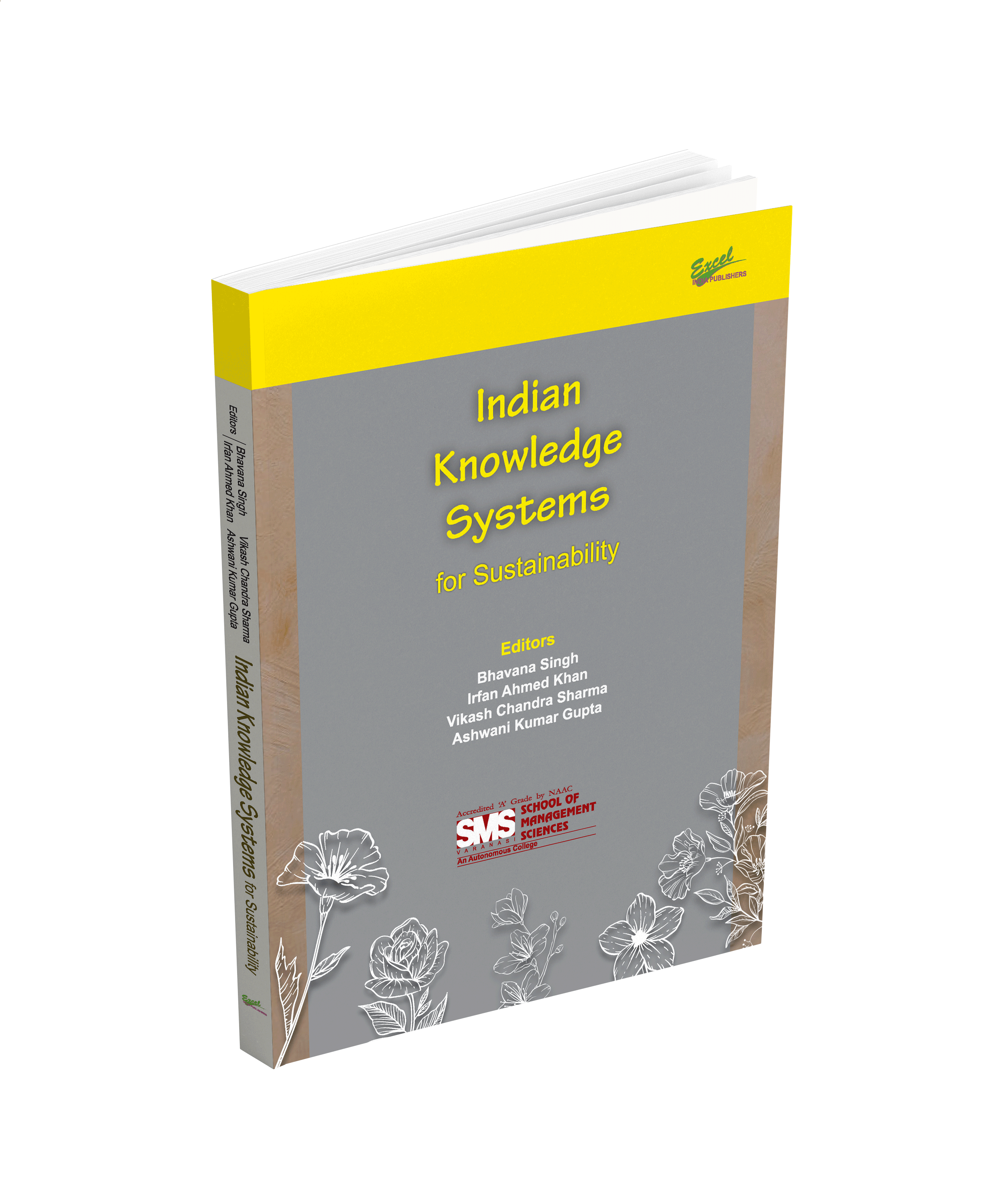
Indian Knowledge Systems for Sustainability
Original price was: ₹1,855.00.₹1,805.00Current price is: ₹1,805.00.
| Title | Details |
|---|---|
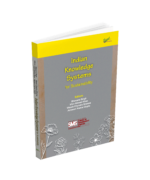
| Book Title | Indian Knowledge Systems for Sustainability |
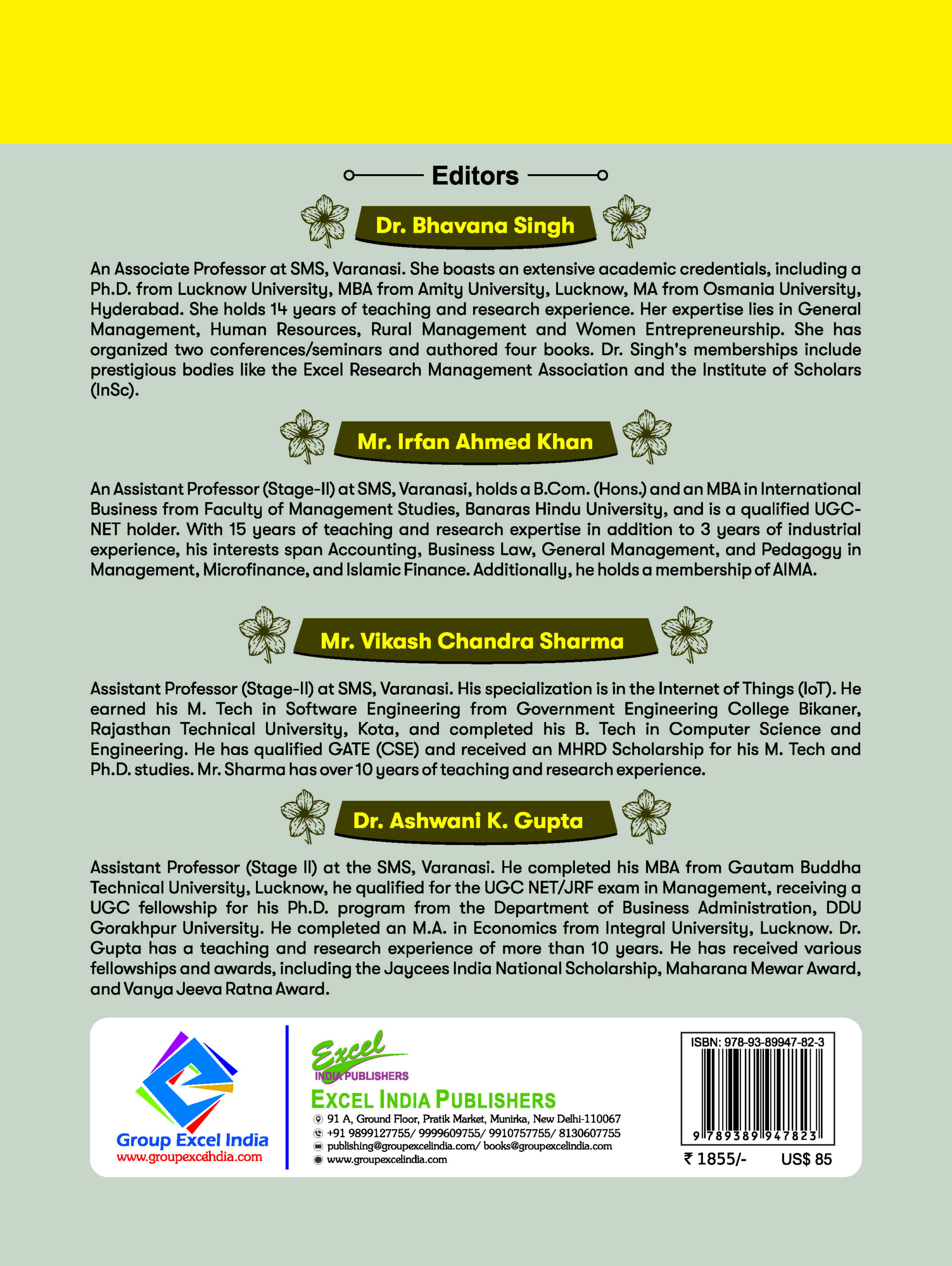
| ISBN | 978-93-89947-82-3 |
| Product Form | Paperback / softback |
| Language | English |
| Genre | Indian Knowledge Systems |
| Name of Publishing Agency/Publisher | Excel India Publishers |
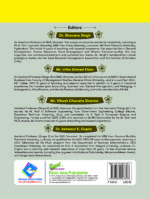
| Name of Author/Editor | Editors: Bhavana Singh, Irfan Ahmed Khan, Vikash Chandra Sharma, Ashwani Kumar Gupta |
| Publication Date | 31-03-2024 |
Description
The rich and diverse tapestry of Indian Knowledge Systems (IKS) offers a profound testament to India’s intellectual and cultural heritage. These systems, encompassing disciplines such as science, medicine, philosophy, art, and spirituality, reflect a holistic and integrated approach to understanding the world and enhancing human well-being. This edited volume, ‘Indian Knowledge Systems for Sustainability’ aims to explore the multifaceted nature of IKS and their relevance in promoting holistic well-being in contemporary society.
The concept of well-being in Indian Knowledge Systems extends beyond physical health to encompass mental, emotional, and spiritual dimensions. This holistic approach is rooted in the understanding that true well-being arises from harmony and balance within the individual and between the individual and their environment. This volume seeks to illuminate the various ways in which IKS contribute to a comprehensive understanding of well-being and offer practical solutions for enhancing quality of life.
The book begins with an introduction that provides an overview of the historical development and foundational principles of Indian Knowledge Systems. This context is essential for understanding the subsequent discussions on specific disciplines and their contributions to holistic well-being.
One of the central themes of this volume is the role of Ayurveda and other traditional Indian medical systems in promoting health and well-being. Ayurveda, with its emphasis on balance and natural remedies, offers a holistic approach to health that addresses the root causes of illness rather than merely treating symptoms. The paper “Effects of Heartfulness Meditation Practice on Subjective Wellbeing: A Review of Empirical Studies” explores the integration of meditation practices rooted in Indian traditions into modern healthcare, highlighting research on their efficacy in enhancing mental and emotional well-being.
The book also delves into the contributions of IKS to environmental sustainability. Traditional agricultural practices, such as organic farming and water management techniques, have sustained Indian farmers for generations while preserving ecological balance. The paper “Environmental Protection and Sustainable Development in Urban Cities: A Case Study of Delhi/NCR” examines the effectiveness of traditional and contemporary practices in promoting sustainable urban development. The discussions highlight the potential for these practices to inform and enhance modern approaches to environmental sustainability.
Philosophy and spirituality form another critical dimension of Indian Knowledge Systems, providing a framework for understanding the nature of existence and guiding ethical conduct. The profound teachings of texts such as the Vedas, Upanishads, and the Bhagavad Gita offer valuable insights into questions of purpose, meaning, and the pursuit of happiness. The paper “Purusharthas: The Arete of Values” explores the relevance of these teachings in contemporary life, while “A Study of ‘Don’t Care’ Attitude of Bhagavad Gita against The ‘Ahimsa’ and ‘Self-Suffering Ethos of Jainism” examines the ethical and philosophical debates within Indian traditions. Additionally, “Emerson’s Use of Eastern Philosophy as A Source of Inspiration for His Works” highlights the influence of Indian philosophy on global thought.